
Megawatts on site. Days, not years.
Megawatt charging for semi fleets, on site in days.
Class 6–8 trucks, drayage and yard tractors. 150–400 kW per dispenser today, MCS-ready for 1 MW+ per truck.
- 1 MW+per power block
- 7 daysto first charge
- MCSready (IEC TS 63379)
MegaWatts Mobile Charging deploys megawatt-class mobile DC fast charging and on-site power for large electric fleets in the United States. Semi-truck yards, robotaxi depots, OEM vehicle lots and 100+ vehicle depots get 350 kW to 1 MW+ blocks on site in days, under a written SLA, priced individually for your site.
- to first charge
- 7days
- per power block
- 1MW+
- pricing, quoted per site
- Custom
On site, today
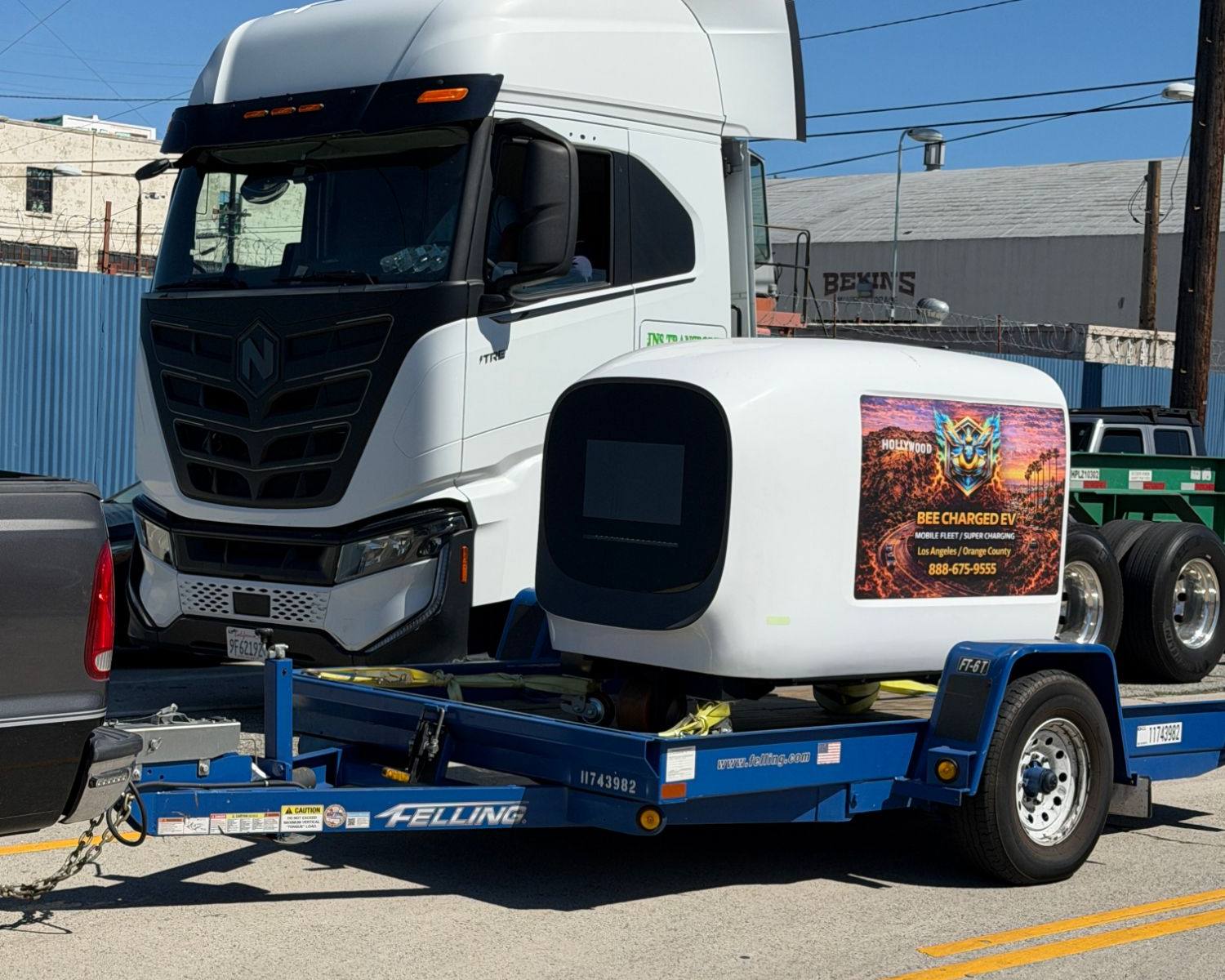
Watch a yard tractor charge from a mobile pod.
No trenching, no switchgear — the pod rolls in on a trailer and the tractor plugs in.
Yard tractor and heavy-duty chargingWhy the grid is the problem
The trucks arrive before the power does.
Every number below is public, dated and linked. This is the delay a mobile megawatt block removes.
8–18 mo
First-time depot electrification, from plan to power
Site work, engineering, permitting and utility service for a new depot.
3–18+ mo
Typical utility service upgrade; major grid work runs 18–36 months
MV
MCS hubs need medium-voltage connections most depots do not have
IEC TS 63379 published Feb 2026.
2,600 GW
Generation and storage waiting in US interconnection queues
Four buyers
Built for four kinds of fleet. Nothing else.
MegaWatts Heavy
Semi & Heavy-Duty Fleets
A 200-truck yard needs 5–10 MW overnight. The utility quote says 2029.
1 MW+ blocks · 350 kW CCS1 today · MCS dispensers when trucks arrive with the inlet.
Semi & Heavy-Duty chargingMegaWatts Autonomous
Autonomous & Robotaxi Fleets
Hundreds of robotaxis, 24/7, in a leased depot where trenching is off the table.
700 kW blocks · 40+ ports at 150 kW · relocatable when the depot moves.
Autonomous chargingMegaWatts Lot
OEM Lots, Ports & Rail
Thousands of new EVs at 10% SOC that cannot ship until they are charged.
Lane-cart dispensers · 1 MW blocks at the lane heads · per-VIN SOC reporting.
OEM Lots chargingMegaWatts Depot
Fleet Depots (100+ vehicles)
150 vans electrified on paper; 3 years behind an interconnection queue in practice.
700 kW block · 4–8 dispensers · Charging-as-a-Service, quoted per site.
Depots charging
How it works
Four steps. One written date.
- 0148 hr
Site Power Plan
kW, kWh, blocks, layout and days-to-live for your site. Free, 48 hours, yours whether or not you buy.
- 02days
Deploy
Blocks arrive on trailers. Pad, dispenser lanes, commissioning. First charge on the published date.
- 0324/7
Operate
Energy, monitoring, maintenance and a 24/7 network operations center under one SLA.
- 04days
Scale
Add blocks and dispenser lanes as vehicles arrive. Relocate when your utility service lands.
On the ground
Blocks, dispensers and fleets. Not renders.
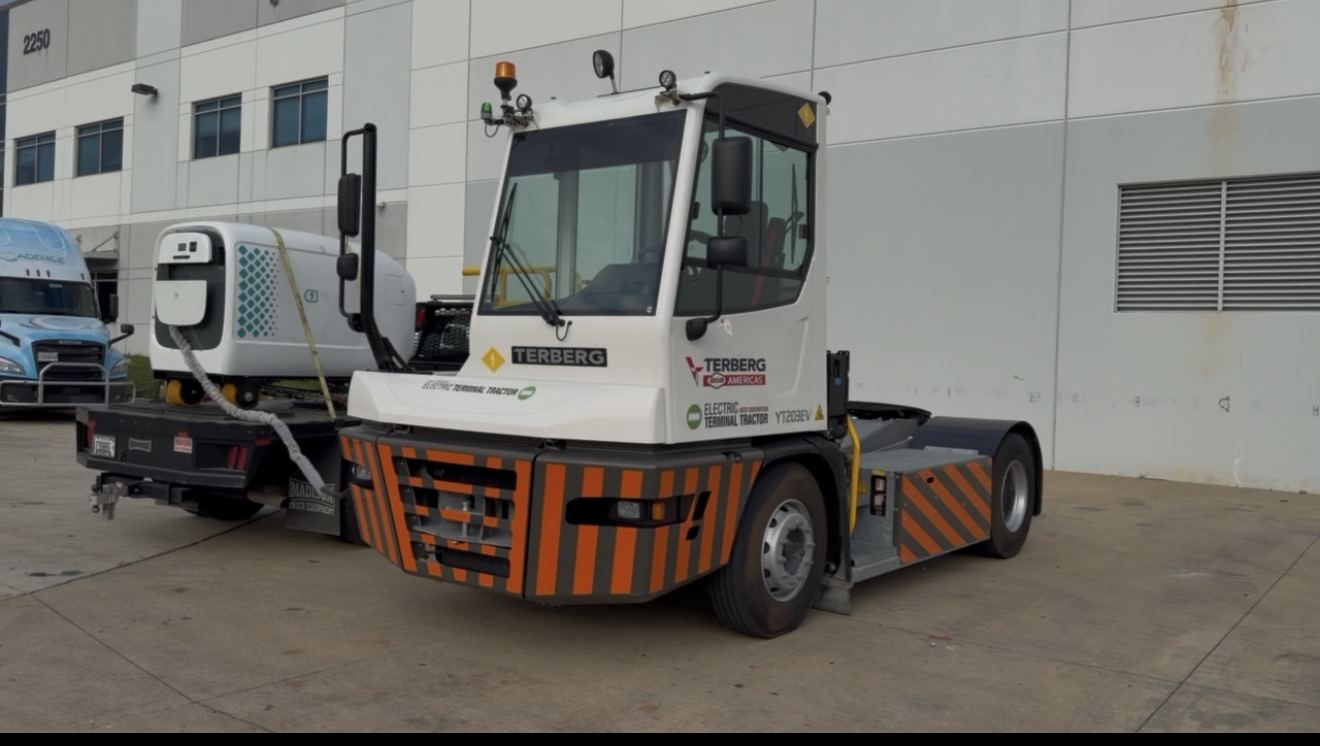
Electric yard tractor charging from a mobile trailer pod 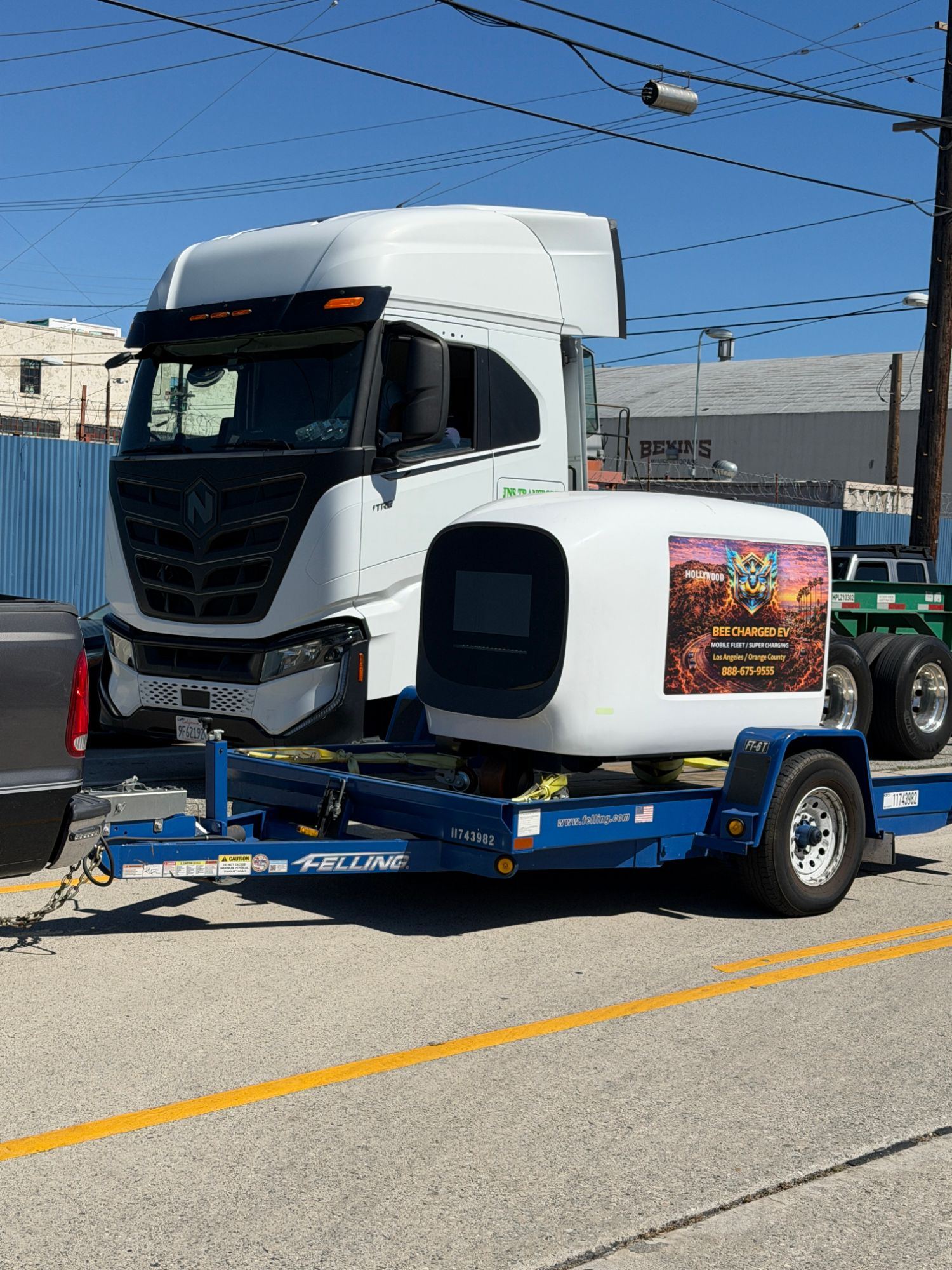
Mobile DC charging pod alongside a Class 8 electric tractor 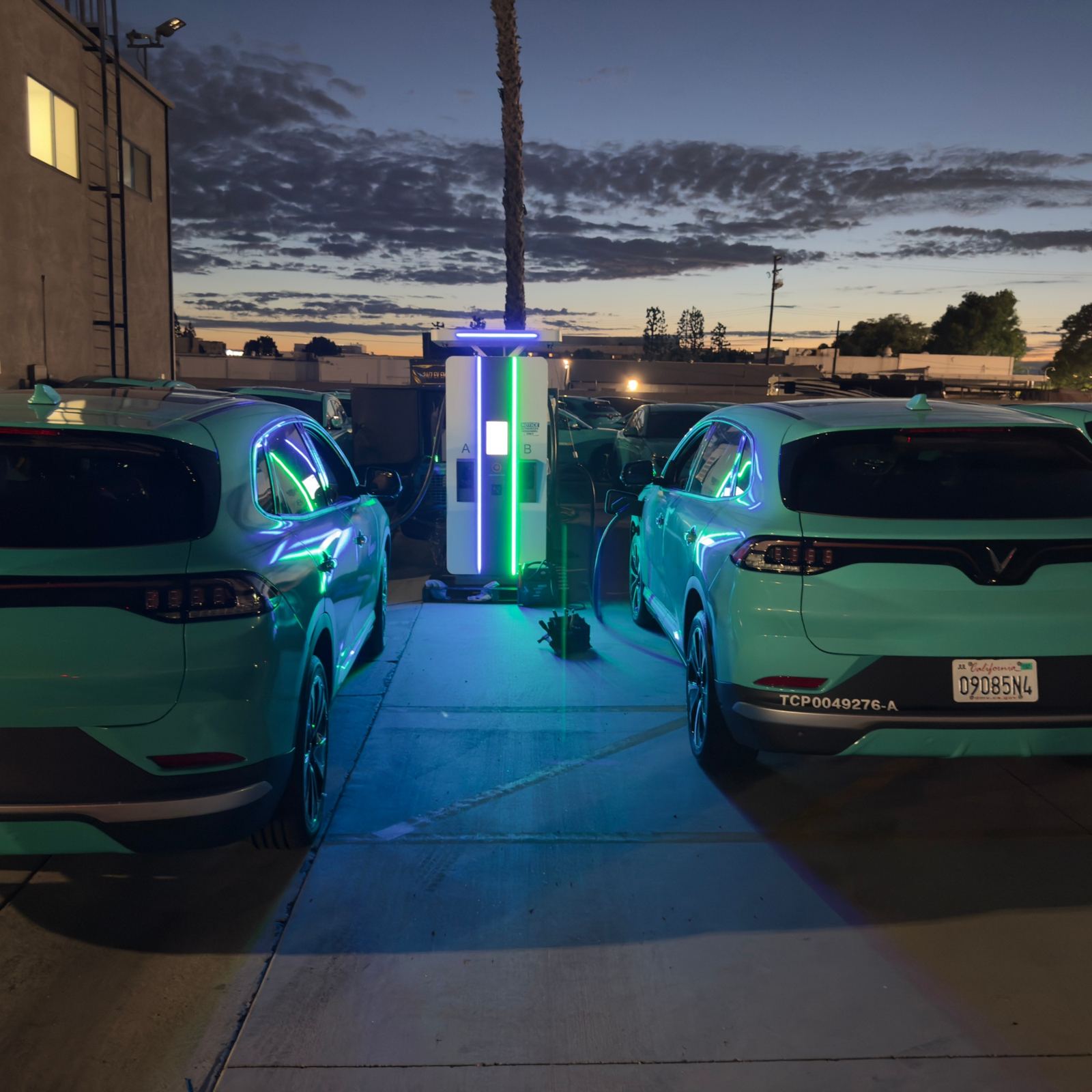
Depot charging at dusk, fleet lined up behind 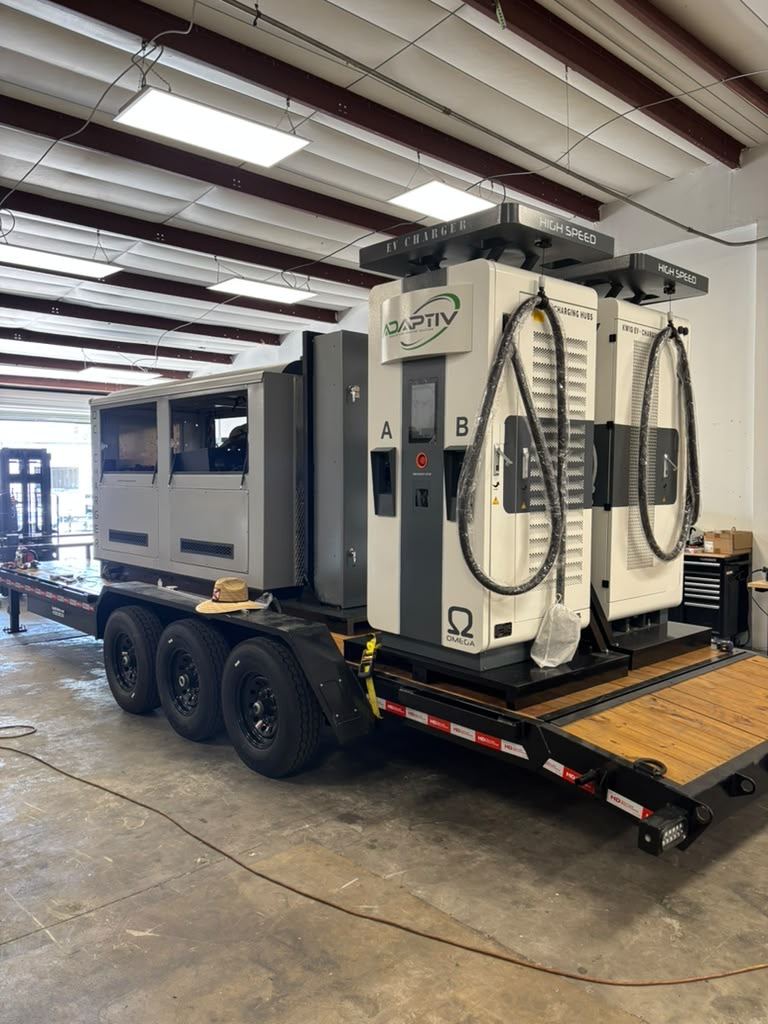
Power block and two dual-port dispensers on one trailer 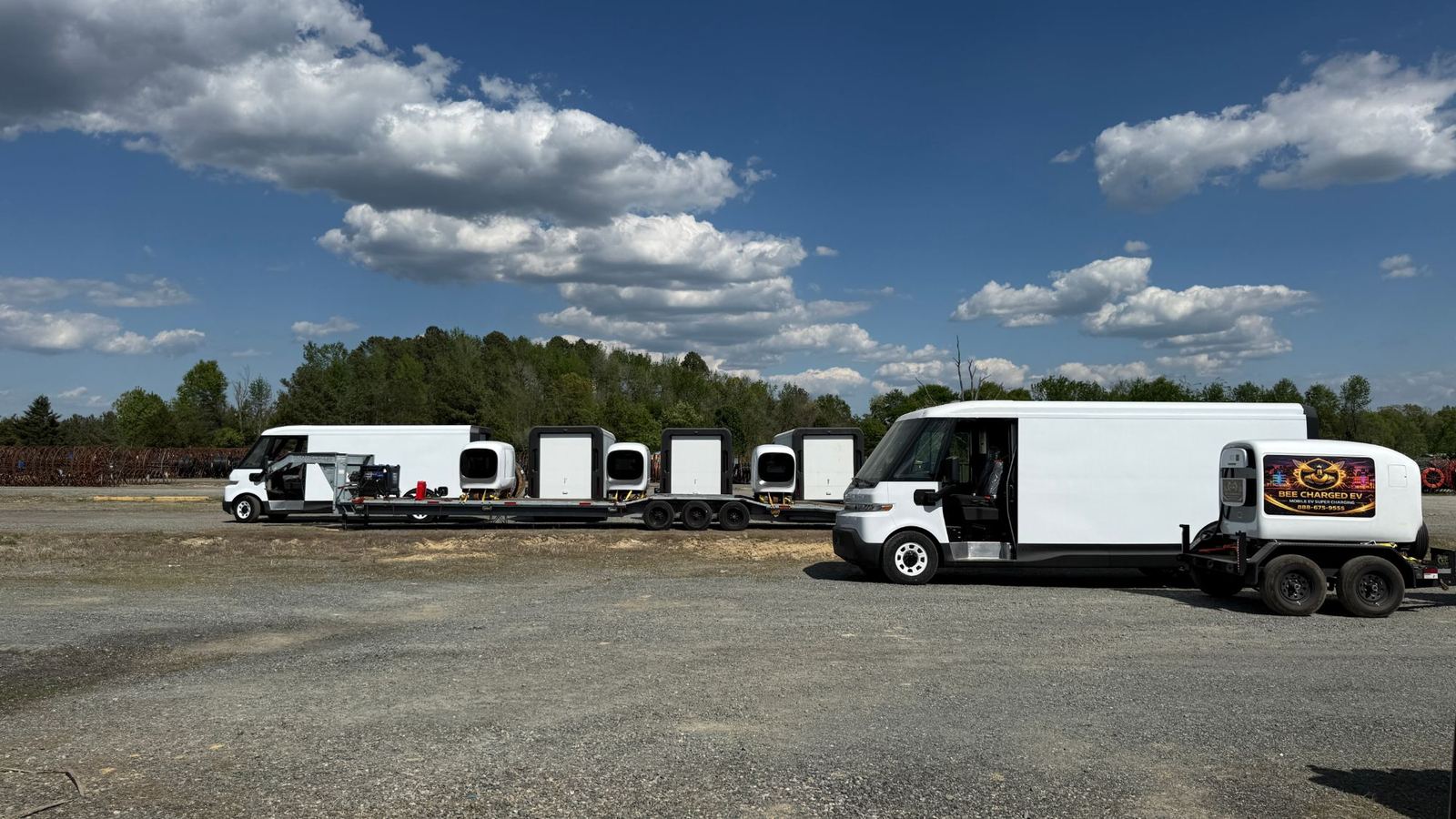
Delivery vans and mobile charging pods staged in a yard 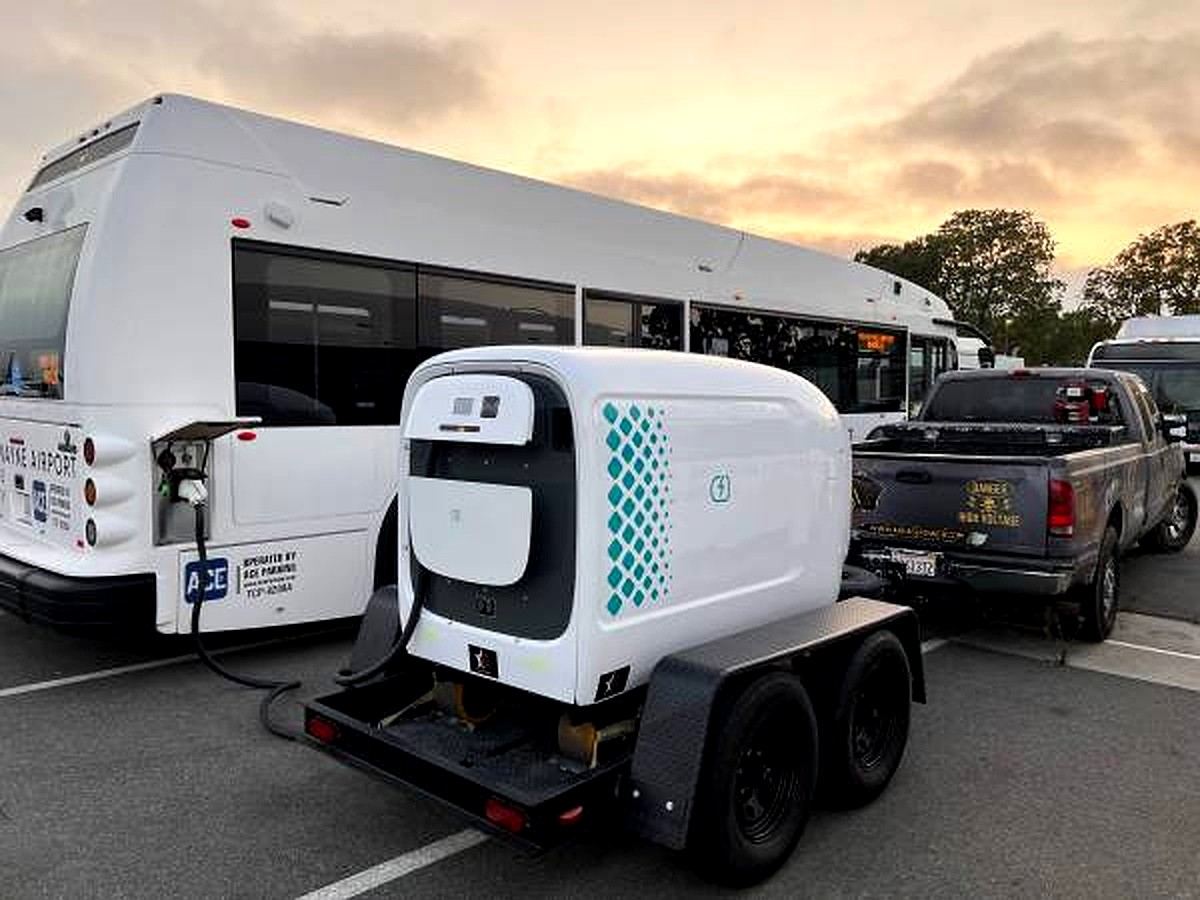
Shuttle bus charged from a mobile DC pod at end of shift
Compared
Utility upgrade, diesel rental, or MegaWatts.
| Utility upgrade | Diesel generator rental | MegaWatts | |
|---|---|---|---|
| Time to power | 8–36 months | Days, but not chargers | Days |
| Upfront capex | $1M–$10M+ per depot | Low, plus fuel | Custom, quoted per site |
| Emissions on site | Grid mix | Diesel exhaust, permits | Battery-first, low-emission source |
| Noise | None | 70–85 dB continuous | Battery-quiet at the dispenser |
| Scales with the fleet | Re-permit and re-trench | More gensets, more fuel | Add blocks in days |
| Written SLA | No | Rental terms only | Published, with credits |
| Exit when grid arrives | Is the grid | Stranded rental | Blocks relocate, no stranded asset |
What we deploy
Three things. Combined to fit the site.
Hardware
Megawatt Charging blocks
350 kW, 700 kW and 1 MW+ mobile DC fast charging blocks with on-board storage. CCS1 and NACS today, MCS-ready.
Details →Commercial model
Charging-as-a-Service
No published rate. Energy, maintenance, monitoring and a 24/7 NOC, billed per kWh or per dispenser.
Details →Energy
On-Site Power
Battery storage and low-emission generation behind the chargers when the utility cannot deliver the load.
Details →
Calculator
What waiting costs.
Cost of waiting
What idle vehicles cost while the grid catches up
Every week you wait costs ≈
$756,000
- Per day
- $108,000
- Per month
- $3,240,000
- Per year
- $39,420,000
Direct operating cost only. Excludes contract penalties, driver pay and lost revenue growth. Default rates are planning anchors.
Example configurations
What a deployment looks like at scale.
Labeled examples, sized with the same calculator you can use above. Real case studies replace these as sites go live.
Example
200-truck drayage yard
Port-adjacent yard, Southern California (example)
- Power
- 8 MW
- Blocks
- 8
- Dispensers
- 25
Example
400-robotaxi depot
Urban depot, 24/7 operation (example)
- Power
- 1.4 MW
- Blocks
- 2
- Dispensers
- 12
Example
5,000-unit OEM port lot
Import port vehicle processing center (example)
- Power
- 7 MW
- Blocks
- 7
- Dispensers
- 61
Markets
Where we dispatch mobile fleet charging.
Megawatt-class charging delivered to your yard in five states. See how mobile EV fleet charging works, or pay per kWh with Charging-as-a-Service.
EV fleet charging in Florida
Miami-Dade and Broward
EV fleet charging in Massachusetts
Boston and the North Shore
EV fleet charging in California
Los Angeles, Orange County, San Diego and the Bay Area
EV fleet charging in New York
Manhattan
EV fleet charging in Illinois
Chicago and the North Shore
How pricing works
Three billing structures. One quote, built for your site.
Per-kWh
Pay for energy delivered. Equipment, operations, maintenance and NOC are built into the rate.
Best for: Fleets with steady daily energy and a known route profile.
Flat monthly per dispenser
One line item per dispenser, every month. Energy passed through at cost.
Best for: Depots that want a fixed budget line and energy at cost.
Metered-hour rental
Your technicians operate the block. You pay for the hours it runs.
Best for: OEM lots, ports and seasonal surges with in-house crews.
- Standards
- UL 1973
- UL 9540A
- UL 2202
- OCPP 2.0.1
- ISO 15118
- MCS / IEC TS 63379
- CARB / EPA
Resources
Guides fleet buyers paste into RFPs.
7 min · updated 2026-09-23
Why new EVs arrive at 10% SOC, and what it costs OEMs and ports
New EVs ship at low state of charge on purpose, then wait at ports, rail terminals and lots that cannot charge them. The mechanism and the fix.
7 min · updated 2026-09-23
What a written charging SLA should include (MTTR beats uptime)
The clauses a fleet procurement team should require in a charging SLA, why mean time to repair beats uptime, and how to make credits automatic.
7 min · updated 2026-09-23
Temporary vs. permanent depot charging: a decision framework
Six questions that decide whether a fleet depot should bridge with mobile charging, wait for the utility, or do both, with the 2026 timelines behind them.
FAQ
Questions fleet buyers ask
What is the minimum engagement?
50 or more vehicles at one site, or 500 kW or more of charging demand. Below that, a mobile megawatt block is not the most economical option, and we will say so.
How quickly can charging be live?
The planning target is 7 days from a signed Site Power Plan for a site with truck access and a level pad. Sites that need permits or civil work take longer, and the plan states the date before you commit. Founder to confirm the published target.
Do I need a utility upgrade at all?
Not to start. MegaWatts blocks carry their own storage and can be fed by a small existing service, a low-emission generator, or nothing at all with scheduled energy delivery. When your utility service arrives, the blocks relocate or stay as backup.
What connectors do you support?
CCS1 and NACS today on every block. MCS (Megawatt Charging System, IEC TS 63379) dispensers are an option on the 1 MW+ block for trucks with MCS inlets. Founder to confirm MCS availability date.
Who operates the equipment?
MegaWatts does under Charging-as-a-Service: energy, monitoring, maintenance and a 24/7 network operations center. A customer-operated metered-hour rental is also available for fleets with their own technicians.
How is pricing structured?
We don't publish a rate. Billing runs per kWh, per dispenser per month, or metered-hour, and which one fits your site is set in a personal quote after a Site Power Plan. Call 888-675-9555 or see how pricing works.
What happens if a dispenser fails?
The SLA sets a response target of 24 hours or less, a replacement target for hardware faults, and service credits if we miss. The escalation path names roles, not a ticket queue. The full document is on the SLA page.
Start here
Get a Site Power Plan in 48 hours.
kW, kWh, blocks, layout and days-to-live for your site. Free, whether or not you buy. Three fields to start.
Prefer the phone?
888-675-9555