
Megawatt Charging blocks
One block. One megawatt. On a trailer.
Mobile DC fast charging blocks with on-board storage, from 350 kW to 1 MW+. Paralleled to fit the site, relocated when the site changes.
- 350 kW – 1 MW+per blockConfirm
- 2–6dispensers per blockConfirm
- CCS1 · NACStoday · MCS-ready
MegaWatts power blocks are mobile DC fast charging units of 350 kW, 700 kW and 1 MW+ with on-board battery storage and 2 to 6 dispensers each. They arrive on standard trailers, parallel on a shared DC bus for multi-megawatt sites, charge on CCS1 and NACS today, and accept MCS dispensers under IEC TS 63379.
Who it is for
Sites that need megawatts before the utility can deliver them.
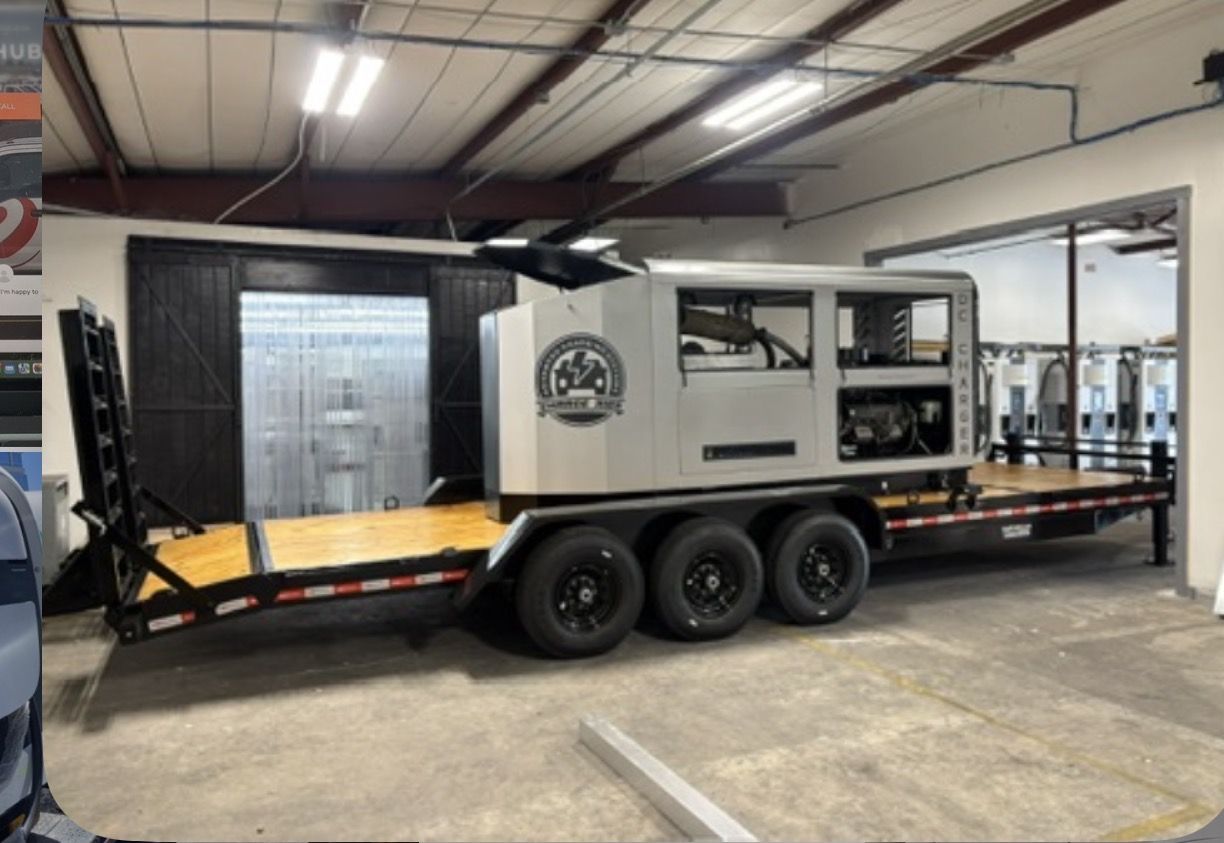
What arrives
A block is a trailer, not a construction project.
Power electronics, storage and dispensers ride on a standard flatbed. It backs onto a level pad, connects on a DC bus, and charges vehicles the day it is commissioned. No trenching, no switchgear inside your building.
Specifications
Three block sizes.
| Spec | 350 kW block | 700 kW block | 1 MW+ block |
|---|---|---|---|
| Continuous output | 350 kWConfirm | 700 kWConfirm | 1,000 kWConfirm |
| Peak output | 400 kWConfirm | 800 kWConfirm | 1,200 kWConfirm |
| On-board storage | 700 kWhConfirm | 1,400 kWhConfirm | 2,000 kWhConfirm |
| Dispensers per block | 2Confirm | 4Confirm | 6Confirm |
| Per-dispenser power | 150–350 kWConfirm | 150–350 kWConfirm | 150–400 kW (1 MW+ via MCS)Confirm |
| Connectors | CCS1 · NACS | CCS1 · NACS | CCS1 · NACS · MCS-ready |
| MCS readiness | Upgrade pathConfirm | MCS-readyConfirm | MCS (IEC TS 63379) dispenser optionConfirm |
| Footprint | 20 ft × 8.5 ftConfirm | 40 ft × 8.5 ftConfirm | 53 ft × 8.5 ftConfirm |
| Weight | ≈ 22,000 lbConfirm | ≈ 44,000 lbConfirm | ≈ 60,000 lbConfirm |
| IP rating | IP54 (NEMA 3R)Confirm | IP54 (NEMA 3R)Confirm | IP54 (NEMA 3R)Confirm |
| Certifications | UL 1973 · UL 9540A · UL 2202Confirm | UL 1973 · UL 9540A · UL 2202Confirm | UL 1973 · UL 9540A · UL 2202Confirm |
| Energy source | Battery + grid-tied or low-emission generationConfirm | Battery + grid-tied or low-emission generationConfirm | Battery + grid-tied or low-emission generationConfirm |
| Runtime at rated load | 2 hr at 350 kWConfirm | 2 hr at 700 kWConfirm | 2 hr at 1 MWConfirm |
Every value marked CONFIRM is a placeholder until the founder publishes the final catalog. See the technology page for certifications.
How blocks parallel
Add a block, add a megawatt.
1
Shared DC bus
Blocks connect on a common DC bus so any dispenser can draw from any block. One block down does not take a lane down.
2
Dynamic power sharing
The site controller allocates kW across dispensers by vehicle demand and departure time, so 6 trucks on a 1 MW block still leave charged.
3
Recharge strategyConfirm
Batteries recharge from a small grid service, on-site generation or scheduled delivery, sized so the fleet's window is always covered.
Deployment timeline
Site plan to first charge.
Day 0
Site Power Plan signed
kW, blocks, layout, date.
Day 1–3
Permits and pad
Temporary electrical permit filed; pad leveled.
Day 4–6
Blocks arrive
Trailers placed, DC bus connected, dispensers set.
Day 7Confirm
Commissioning
Safety checks, OCPP link, first charge.
Ongoing
Operate and scale
NOC, maintenance, add blocks as needed.
Scope
What is included. What is not.
Included
- ✓ Blocks, dispensers, cables and site controller
- ✓ Delivery, placement and commissioning
- ✓ 24/7 NOC monitoring and telemetry
- ✓ Preventive maintenance and SLA replacements
- ✓ OCPP 2.0.1 integration to your fleet platform
- ✓ Per-vehicle session and kWh reporting
- ✓ Certificate of insurance on request
Not included
- ✕ Civil work beyond pad leveling
- ✕ Permanent switchgear or utility applications
- ✕ Permits outside the standard temporary-use scope
- ✕ On-site attendants unless contracted
- ✕ Energy on the per-dispenser model (passed through at cost)
SLA summary
What we sign.
≥97%Confirm
monthly uptime per dispenser
≤24 hrConfirm
response to a reported fault
≤72 hrConfirm
hardware replacement target
Credits
when we miss, on the next invoice
- Standards
- UL 1973Confirm
- UL 9540AConfirm
- UL 2202Confirm
- OCPP 2.0.1Confirm
- ISO 15118Confirm
- MCS / IEC TS 63379Confirm
- CARB / EPAConfirm
In service
Commissioned, deployed, charging.
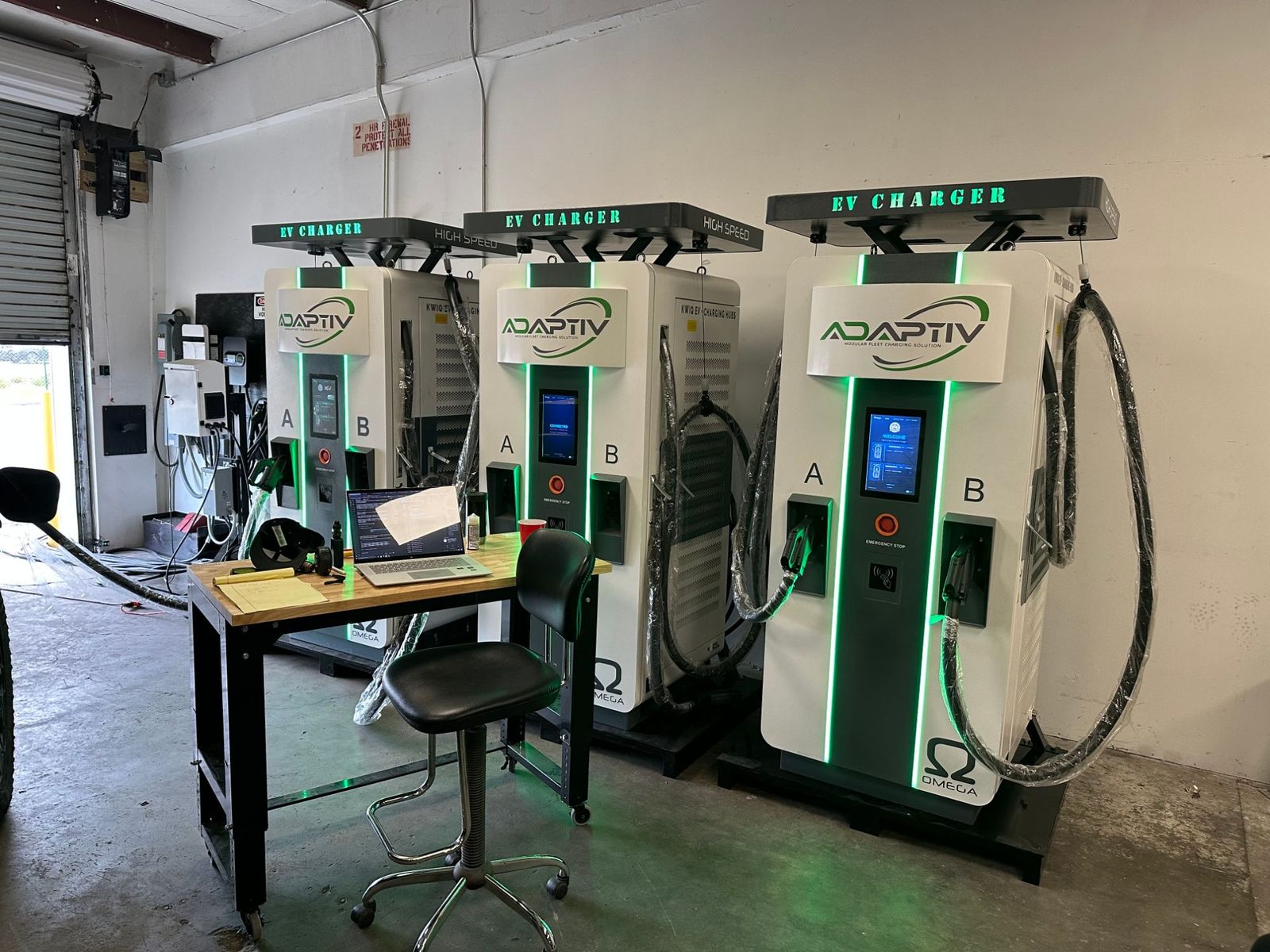
Dispenser commissioning and OCPP setup before dispatch 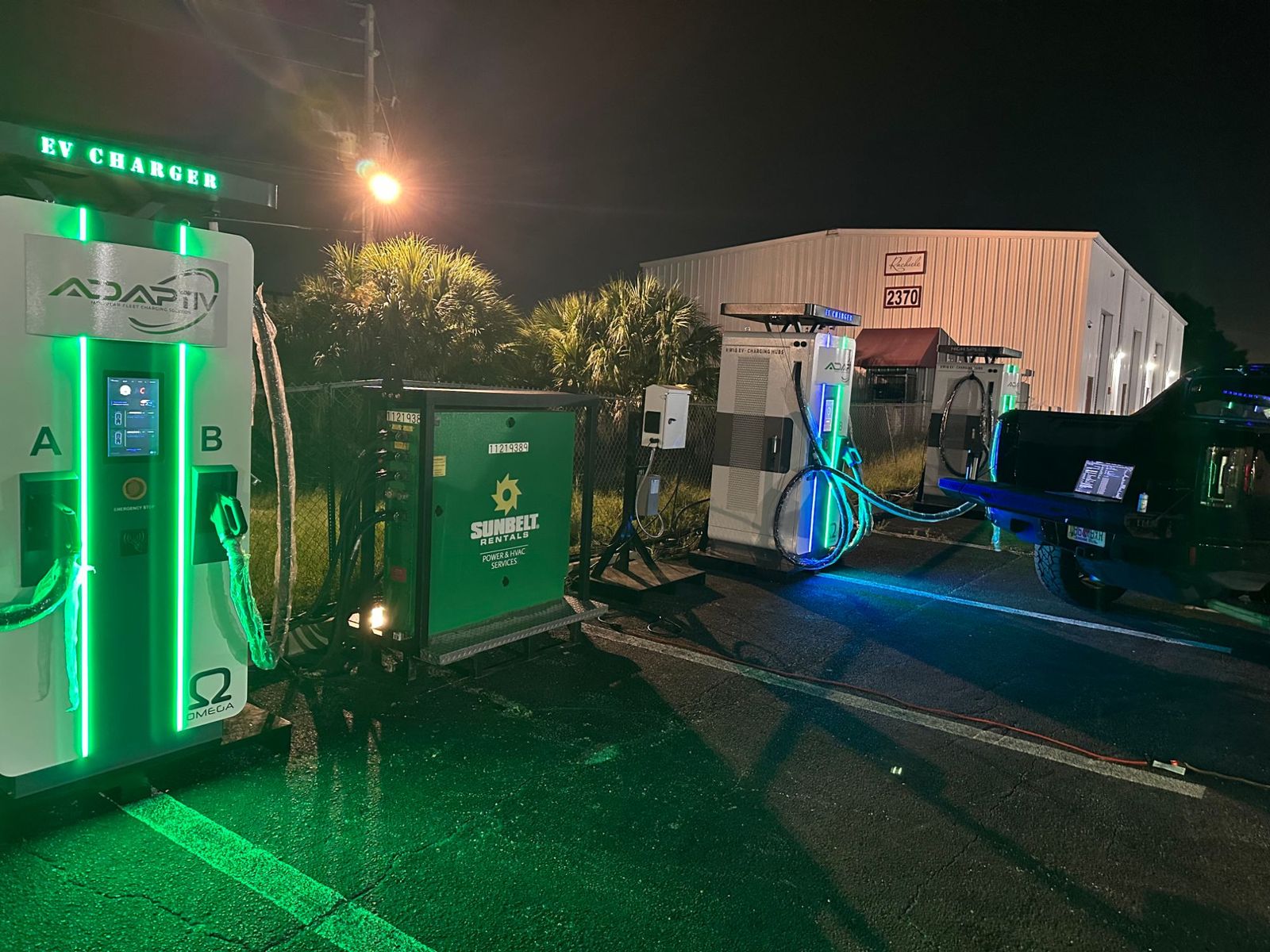
Temporary DC fast charging pad at night, powered on site 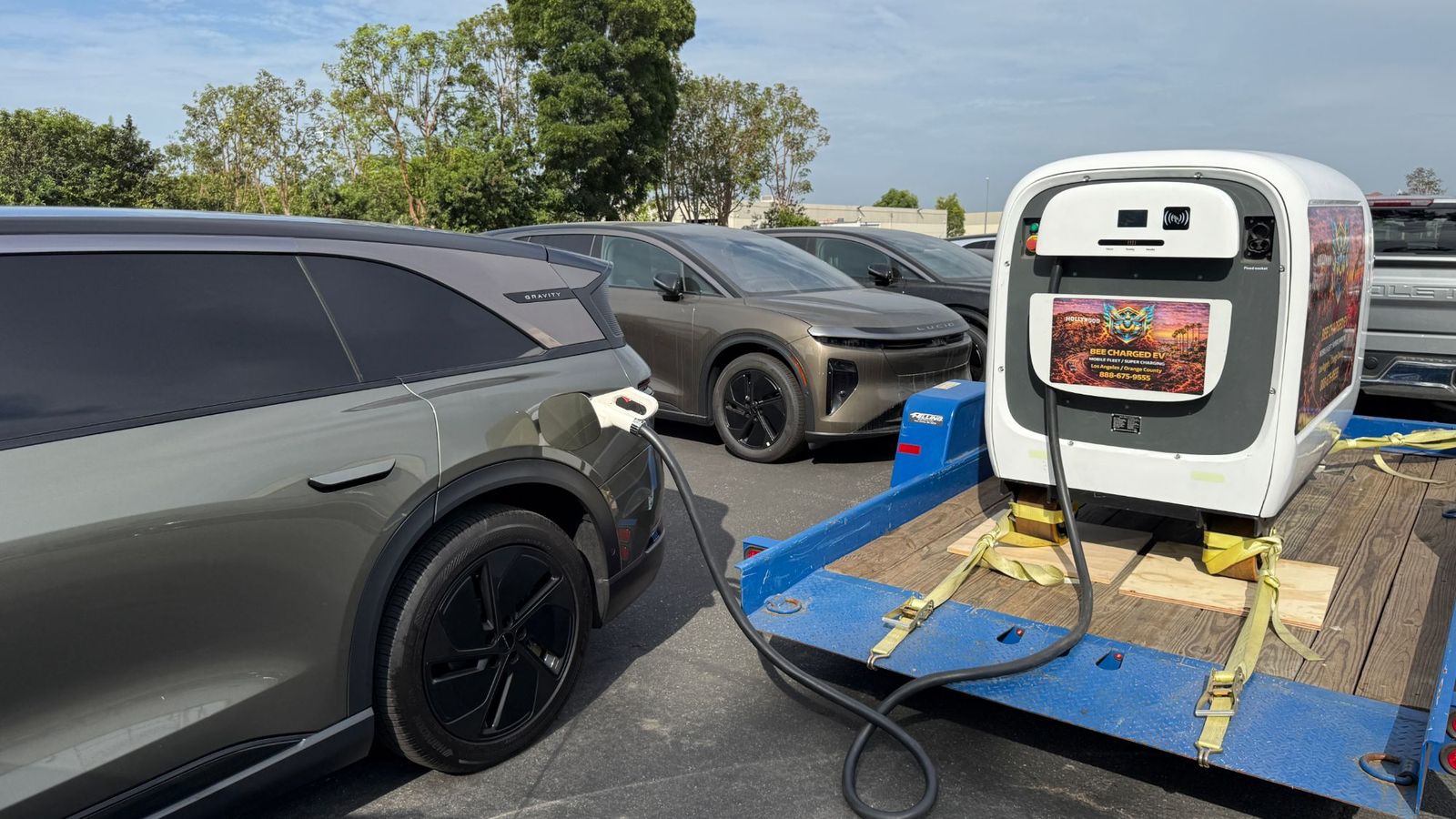
New vehicles charged on the lot from a trailer block
FAQ
Block questions, answered.
What is a MegaWatts power block?
A trailer-mounted DC fast charging unit with its own battery storage, power electronics and 2–6 dispensers. It arrives on a standard trailer, sits on a level pad, and charges vehicles the day it is commissioned. Blocks parallel on a shared DC bus to reach multi-megawatt sites.
How does a block get its energy?
Three ways, chosen in the Site Power Plan: a small existing grid service that recharges the battery slowly, a low-emission on-site generator, or scheduled energy delivery. Founder to confirm which energy sources are offered.
Is it really MCS-ready?
The 1 MW+ block is designed to accept a Megawatt Charging System dispenser under IEC TS 63379, published February 2026, for trucks with MCS inlets. The founder sets the delivery date for MCS dispensers.
What connectors ship today?
CCS1 and NACS on every block. Dispensers can be mixed on one block.
How much space does a block need?
A trailer-sized pad per block plus a dispenser lane per port. The calculator on this site estimates footprint; the Site Power Plan measures it.
Who maintains it?
MegaWatts under the SLA: 24/7 monitoring, preventive maintenance, and a replacement target for hardware faults. Customer-operated rentals get remote monitoring and operator training.
Start here
Size the blocks for your site.
kW, kWh, blocks, layout and days-to-live for your site. Free, whether or not you buy. Three fields to start.
Prefer the phone?
888-675-9555